What is No Tax on Overtime? Who Qualifies, and How to Claim it
March 30, 2026
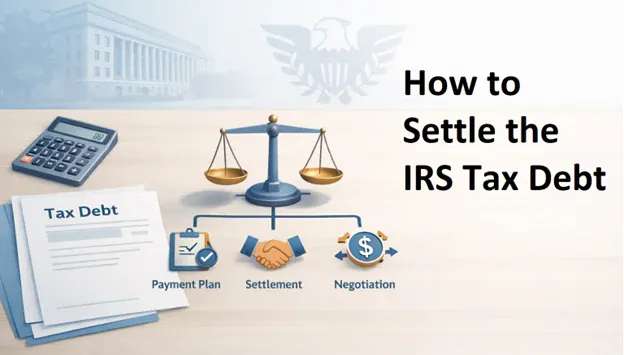
How to Settle Tax Debt: Understanding Your Options and Rights
Managing taxes isn’t always easy. And many Americans incur a tax debt to the IRS due to unexpected financial setbacks, incorrect withholding, or multiple income streams.
In fact, the IRS collected $120.2 billion in unpaid tax assessments in 2024, according to the IRS 2024 Data Book.
Unpaid balances can grow quickly with penalties and interest. This makes the situation feel overwhelming, especially once the IRS begins collection efforts.
The good news: you still have options. This article explains the different tax debt relief options and how to choose the right one for your situation.
You can also work with a qualified tax resolution service provider like Karme to identify the best solution for your situation and take the right steps toward resolving your debt.
What Causes Tax Debt?
When you do not pay the full amount you owe the IRS by the tax filing deadline, you incur a tax debt. The IRS will send you several notices over a period of time to inform you of tax deficiency. Typically, the deficiency can occur for the following reasons.
- Your employer did not withhold the right tax balance from your paycheck.
- You paid too little in estimated quarterly taxes.
- You did not report freelance or self-employment income where no automatic withholding exists.
- Major life events such as divorce, job loss, or unexpected investment gains can change how much tax you owe during the year.
But regardless of the reason, it's best to settle your debt early, as delaying makes the situation even worse. The IRS will add penalties and interest to any unpaid balance, and these charges will continue to grow over time.
Let's look at the tax settlement options you can avail, based on your situation.
Tax Settlement Options: How to Get Out of Tax Debt
The IRS understands the tax burden is not the same for everyone. Therefore, it offers several official programs to address unpaid taxes and help you resolve the amount you owe. Below are five main options it offers.

Offer in Compromise (OIC)
If you have a large tax debt, an Offer in Compromise lets you settle it for less than the full amount you owe – but only if you qualify for it. Before approving an offer, the IRS reviews four key areas:
- your income
- your monthly living expenses
- the value of your assets (such as property or savings)
- your ability to earn money in the future.
If this review shows that you likely cannot pay the full amount, the IRS may agree to accept a lower amount as final payment.
For example, a self-employed contractor whose business failed and who does not own valuable assets may qualify for this program. However, getting your application approved is not easy. In fiscal year 2024, the IRS received 33,591 applications for Offers in Compromise and approved 7,199 of them, according to the IRS Data Book 2024.
Installment Agreement
An installment agreement is for taxpayers who can pay the full amount they owe but need time to do it. Knowing this, the IRS sets up a monthly payment plan with a fixed schedule. And while you make these payments, the IRS does not take collection actions like placing a lien on your property or garnishing your wages.
However, interest and some penalties will continue to build until you have paid the balance in full. Also, this is the most common way people resolve tax debt. In fiscal year 2024, the IRS collected over $16 billion through installment agreements, which was a 12% increase from 2023.
Penalty Abatement
Penalty abatement removes or reduces penalties, but it does not lower the original tax amount you owe. The IRS may approve it if you have a valid excuse, called “reasonable cause.” This will include having a serious illness, dealing with a federally declared natural disaster, or having a strong history of filing and paying on time before the issue occurred.
For example, if you missed the April tax deadline because you were in the hospital, you may qualify for this option. Also, as penalty abatement is separate from payment plans, you can still request it if you are already on an installment agreement or using another option.
Currently Not Collectible (CNC) Status
If you do not earn enough to cover your basic living expenses and make payments to the IRS at the same time, the IRS may place your account in Currently Not Collectible (CNC) status. This means the IRS will temporarily stop collection actions, including phone calls, bank levies, and wage garnishments.
You can start by contacting the IRS directly. However, be aware that CNC status is not permanent. Also, your interest and penalties will continue to grow on the unpaid balance, and the IRS will review your financial situation regularly to see if you are able to continue with payments.
Tax Debt Relief Services
If you owe a large amount in taxes, have not filed returns for several years, or have received active collection notices from the IRS, it is best to work with a qualified tax professional. This can be any Licensed Enrolled Agents, Certified Public Accountants (CPAs), or tax attorneys.
These experts can review your full situation, explain all available relief options, and speak directly with the IRS on your behalf. They can also negotiate payment plans or settlements that you may not know how to request on your own.
If you are not sure how to begin, Karme helps you with a team of qualified tax professionals based on the details of your case, such as the amount you owe, the number of unfiled years, and whether the IRS has started collection actions. This way, you can avoid uncertainty and take the right first step quickly.
Which Tax Settlement Option Is Right for You?
Now that you understand exactly how to settle your tax debt, the next step is to choose the one that best fits your situation. When deciding, focus on these three factors.
- Total amount you owe: If your balance is relatively small, you can resolve it with an installment agreement. If your balance is large, you may qualify for an Offer in Compromise.
- Your income and available assets: The IRS reviews your current income and any assets you can quickly access, such as savings accounts. This helps determine how much you can reasonably pay and which programs you are eligible for.
- Your current IRS enforcement status: If the IRS has already taken action in the form of sending formal notices, placing a tax lien, or garnishing your wages, you will have fewer options.
A qualified tax professional can review all three factors together and identify solutions you might overlook if you try to handle the process on your own.

Final Words
To sum up, tax debt is not a dead end. The IRS offers many tax settlement options, as collecting some of the owed amount is preferable to the agency than collecting nothing at all. You just need to act fast to avail the best option, and avoid compounding penalties and interest.
The single most effective step you can take right now is to get an accurate picture of where you stand and act on it. Karme makes that first step straightforward by connecting you with qualified tax professionals who can assess your specific situation and identify the fastest and most cost-effective path to resolving your tax debt. Contact us today to get started!